
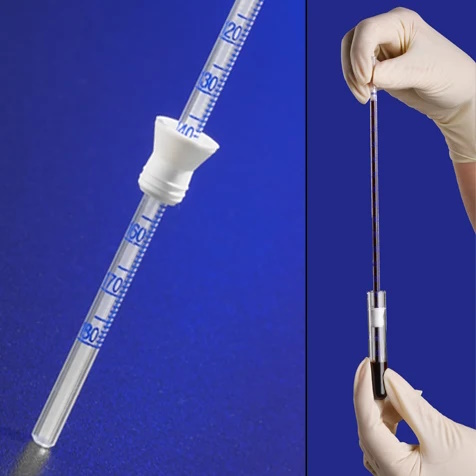
Your blood test results arrive. Your blood count looks reassuring, your C-reactive protein (CRP) is normal, but your erythrocyte sedimentation rate – usually shortened to ESR – is elevated.
Does this mean there is hidden inflammation? Could it be an autoimmune condition? Do you need more tests?
A high ESR can be a useful clue, but it cannot provide a diagnosis on its own. Its meaning depends on your symptoms, medical history, other blood tests and whether the result remains elevated over time.
What does an ESR blood test measure?
ESR, sometimes called the sed rate, measures how quickly red blood cells settle in a vertical tube of blood. The result is reported in millimetres per hour (mm/h).
Inflammation can change the proteins circulating in your blood, making red blood cells cluster together and settle more quickly. This is why ESR is used as an indirect marker of inflammation.
However, an elevated ESR cannot identify where inflammation is occurring or what is causing it. A normal result cannot reliably exclude every inflammatory condition either.
Why the same ESR result can mean different things
An ESR result needs more context than the reference range printed beside it. Age, sex and the characteristics of your red blood cells all influence the result. Pregnancy, anaemia and some underlying medical conditions can also affect its interpretation.
A 2019 population study involving 1,472 adults found that ESR increased with age and was generally higher in women. Higher body mass index, metabolic syndrome and smoking were also independently associated with higher values. Participants reporting higher regular physical activity tended to have lower ESR values.
These were associations observed across a population. They do not establish the reason for an elevated result in an individual patient. For example, a mildly elevated ESR in an otherwise healthy person requires a different assessment from a similar result in someone with persistent fever, swollen joints or unexplained weight loss.
Context helps determine whether a result needs monitoring, further investigation or treatment of an underlying condition.
Can ESR be high when CRP is normal?
Yes. ESR and CRP measure different aspects of the inflammatory response, so their results do not always agree.
CRP measures the concentration of a specific protein in the blood. ESR reflects how red blood cells settle, which also depends on blood proteins and the cells themselves.
CRP usually responds more quickly to changes in inflammation. ESR may rise and fall more slowly and can remain elevated after an illness has improved.
Anaemia and changes in immunoglobulin levels can also influence ESR without a matching rise in CRP.
Differences between the two tests are well documented. In a study of adults with paired ESR and CRP measurements, some connective tissue diseases, including systemic lupus erythematosus, were more common in the group with relatively high ESR and low CRP.
A normal CRP should therefore be interpreted alongside your symptoms and other findings.
Does a high ESR mean autoimmune disease?
No. An elevated ESR is not specific to autoimmune disease.
It can occur with infections, inflammatory conditions, certain blood disorders and other illnesses. It can also be influenced by factors that do not indicate a disease requiring treatment.
ESR alone cannot confirm lupus, rheumatoid arthritis or another immune-mediated condition. Equally, a normal ESR does not exclude all of the aforementioned conditions.
If an autoimmune condition is being considered, the useful question is whether your symptoms, examination findings and laboratory results form a consistent clinical pattern.
Ordering a large panel of immune tests simply because ESR is elevated may create more uncertainty. Further testing should address a specific clinical question.
What is a normal ESR?
There is no single reference range that applies equally to everyone. Start with the range provided by the laboratory that performed your test. Interpretation may also depend on your age, sex, pregnancy status and the measurement method.
Avoid comparing your result directly with another person’s – or with an isolated “normal ESR” number found online. The same value may have different significance in different circumstances.
When does an elevated ESR need further investigation?
The decision depends on:
- How far the result is above the laboratory’s reference range.
- Whether it is a new finding or a persistent pattern.
- Whether the value is rising, falling or stable.
- Your symptoms and medical history.
- Findings from an examination and other relevant tests.
A mildly elevated result discovered incidentally may sometimes be reassessed before extensive investigations are considered. Persistent or marked elevation, particularly when accompanied by symptoms, deserves a more focused evaluation.
Symptoms worth discussing with your doctor include unexplained fever, weight loss, joint swelling or persistent stiffness. These symptoms do not identify a particular diagnosis, but they help guide the assessment.
Can lifestyle changes lower ESR?
The 2019 study found associations between ESR and smoking, physical activity and metabolic health. It also reported lower ESR values among light alcohol drinkers than among abstainers. These findings do not prove that changing any single habit will normalise ESR, and they are not a reason to start drinking alcohol. The clinical goal is to understand why the result is elevated and address any relevant health problem. A lower laboratory number, by itself, is not a treatment outcome.
When can a clinical immunology consultation help?
A clinical immunology assessment may be useful when an elevated ESR is part of a wider, unresolved picture—for example, persistent symptoms, other abnormal immune-related results or concern about a systemic immune-mediated condition.
Not every elevated ESR requires an immunologist. Your primary care doctor may be able to clarify the finding or recommend the most appropriate specialist.
When specialist review is appropriate, it should help answer practical questions:
- What might explain the combination of symptoms and results?
- Is further immune testing justified?
- Which findings need follow-up?
- What should happen next?
Need help making sense of persistent or unexplained results?
If your ESR remains elevated, your results appear contradictory, or an immune-mediated condition is being considered, you can request an online clinical immunology consultation with Dr Amira Ćerimagić at Immuno Centar.
The consultation brings together your medical history, symptoms and previous investigations to assess possible explanations and agree on appropriate next steps. Where an examination or local investigation is needed, this can be identified during the review.
Based in Sarajevo, Bosnia and Herzegovina, Immuno Centar welcomes enquiries from international patients seeking online consultations in clinical and reproductive immunology.
Request an Online Immunology Consultation
When enquiring, briefly describe your symptoms and how long ESR has been elevated, and mention any previous specialist assessments.
Reference:
Factors Influencing Erythrocyte Sedimentation Rate in Adults. Medicine (Baltimore), 2019.